Product selection
Identify which product is most suitable for the first market and retail scenario.

Use Singapore as the first step to reduce the trial-and-error cost of entering Southeast Asian markets.
SEA growth is not just about translating materials or contacting retailers. First assess whether the product, pricing, compliance materials and local operations are ready.
Before approaching retailers, assess whether the offer is commercially, operationally and legally ready for the market.
Identify which product is most suitable for the first market and retail scenario.
Check whether pricing can support retail margins, promotion, logistics and local operations.
Review labels, claims, product information and supporting documents required for market communication.
Assess warehousing, fulfilment, merchandising, replenishment and campaign support.
Use content to test whether local audiences understand the product, value proposition and reason to buy.
Clarify product messaging, content direction and operating rhythm.
Test which selling points are easiest for local audiences to understand.
Observe audience interest, conversion signals and areas for improvement.
Offline retail does not begin with large-scale distribution. It begins with product readiness, pricing, materials and a credible operating plan.
Review category fit, price range, shelf life, labels and basic compliance readiness.
Prepare English product information, pricing, qualifications, proposals and frequently asked questions.
Assess fulfilment, merchandising, promotions, replenishment and performance review.
The images illustrate content testing, channel communication, retail scenarios and local execution. They do not represent fixed channel access or guaranteed commercial outcomes.
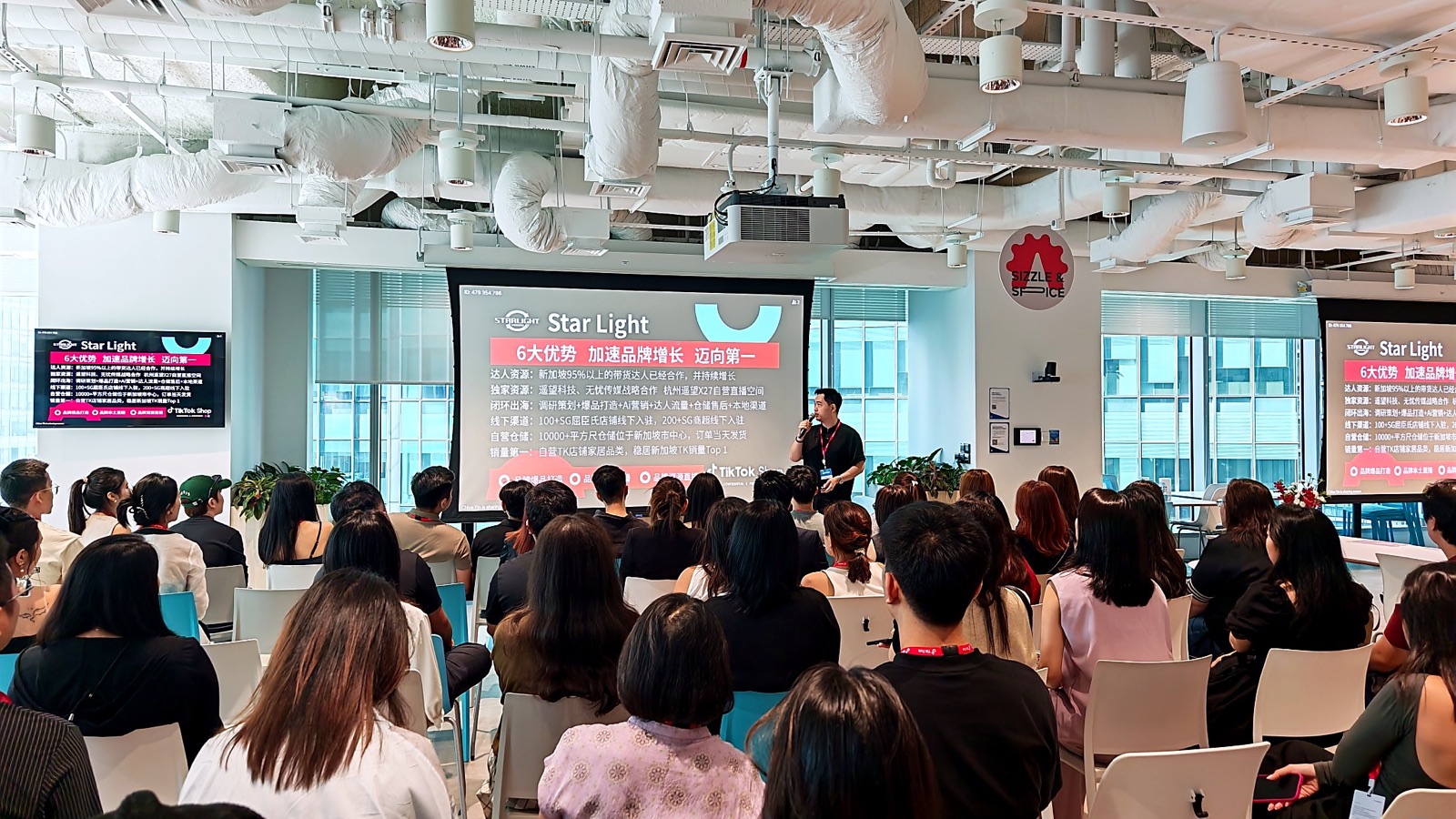
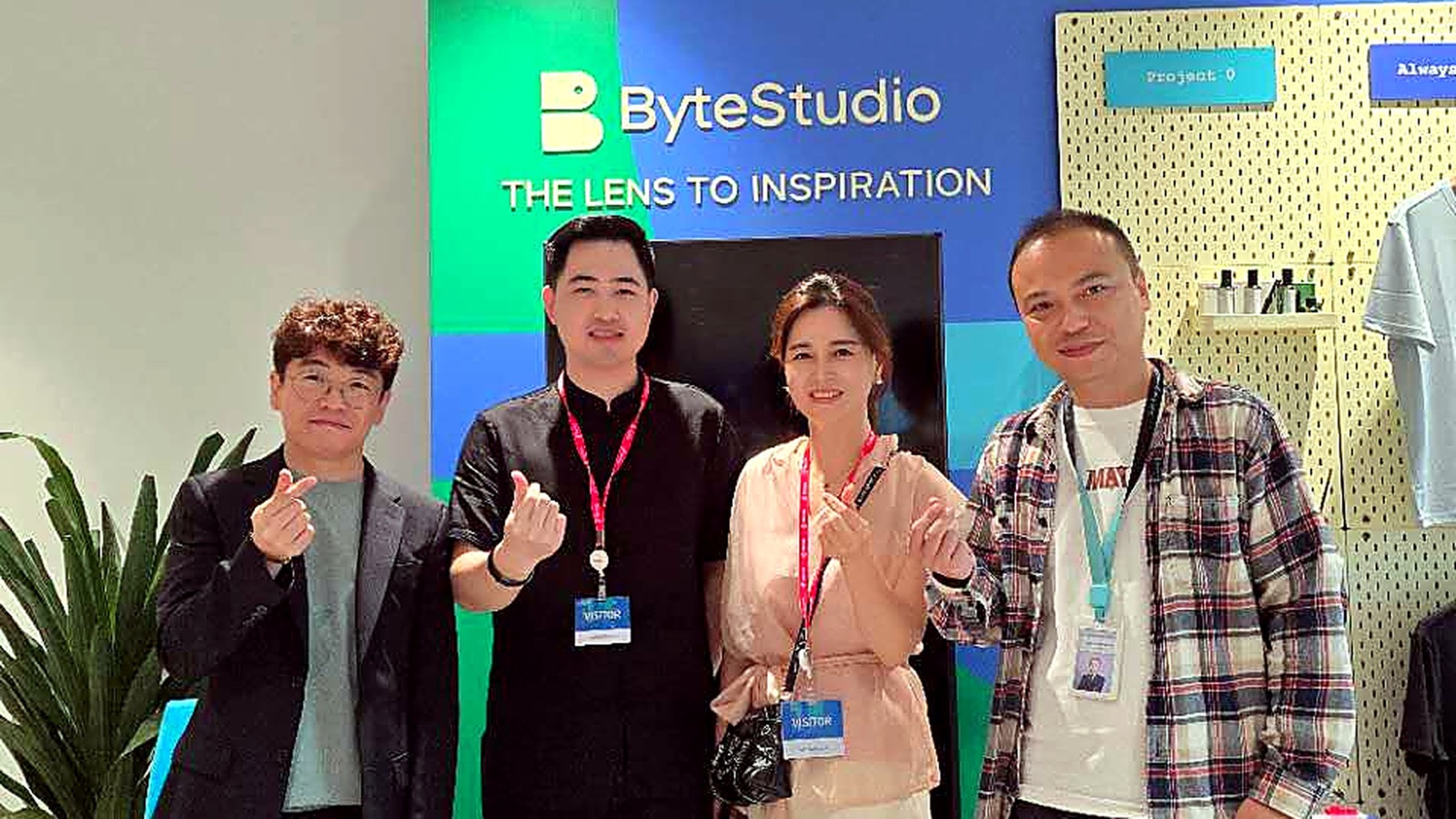
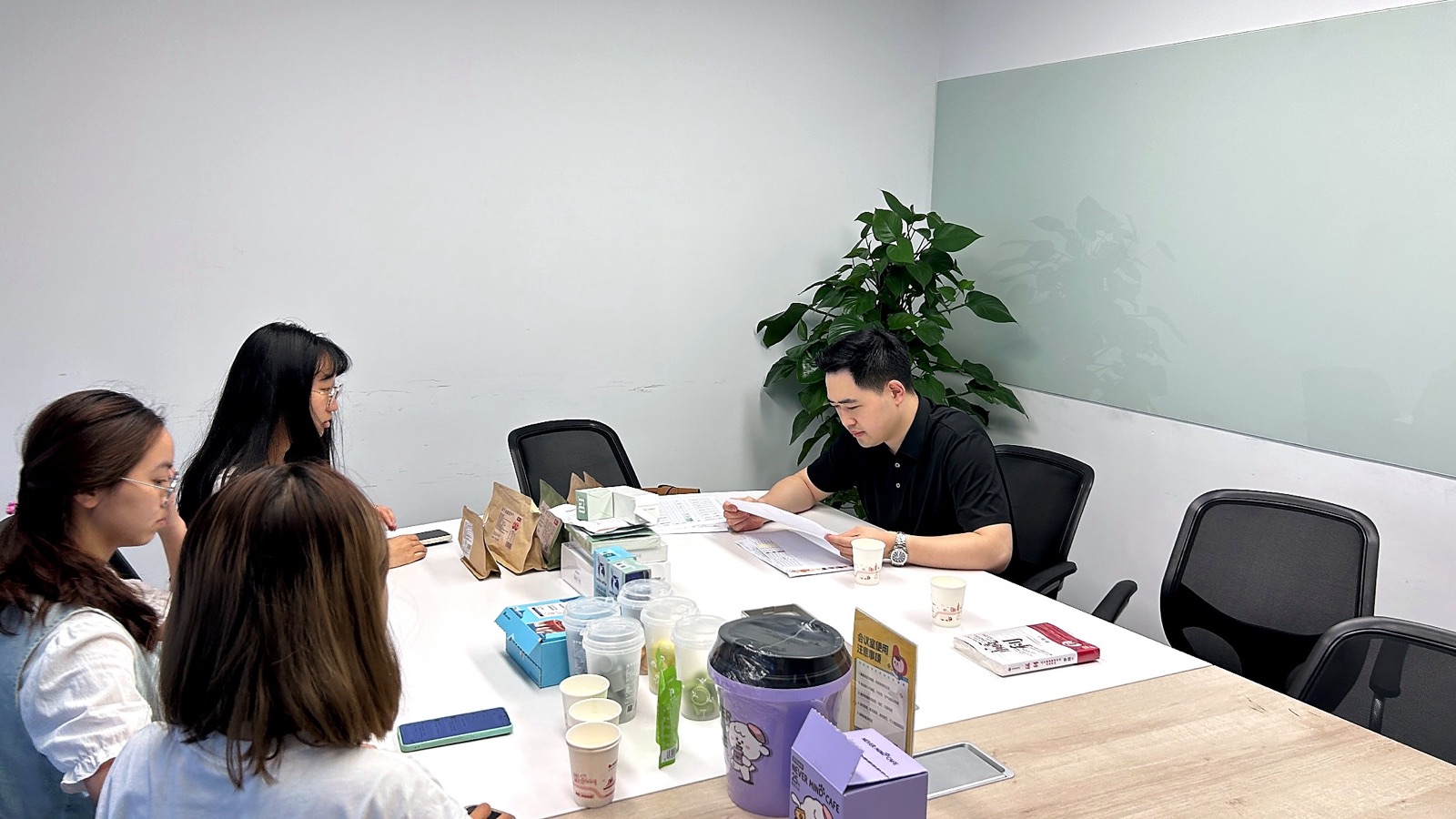

Images and market examples are used to explain service scenarios and possible coordination directions. They do not represent fixed channel access, confirmed listings, store numbers, partnership scale or sales commitments.
A product is not ready for retail unless fulfilment, merchandising, promotion and replenishment can be supported locally.
Assess storage, order handling and delivery requirements.
Prepare display, product information and in-store communication.
Plan promotions, sampling, content and retail activities around the actual market stage.
Use content, retail and operational feedback to improve the next phase.
Specific operation support depends on the agreed project scope.
Validate product, pricing, materials and operations in stages before expanding into additional markets.
Decide which product should lead and whether it fits the first retail scenario.
Clarify product messaging, pricing, materials and commercial proposals.
Use creator content, short video and livestreaming to observe market response.
Use the Singapore experience to assess opportunities in Malaysia and prepare for Indonesia.
The recommended starting point for assessing Southeast Asian offline retail readiness.
A potential next market after product and operating assumptions have been tested.
A future development market requiring separate category, compliance and partner assessment.
Operational support may include fulfilment, merchandising, campaigns and performance review, depending on the project scope.
Growth Loong provides market-entry assessment, content support, channel communication coordination and local-operation support. Specific channels, store coverage, launch timing, partnership scale and sales results depend on brand qualifications, product competitiveness, pricing structure, compliance materials, channel-partner decisions and the final agreement between the parties.
Final deliverables depend on the agreed project scope.
Start by assessing product, pricing, compliance materials and local-operation readiness.